
The "Dead Arm" Feeling: Is it Fatigue or a Labrum Issue?
We’ve all been there—the fifth inning of a start, and you are dealing. Everything is hitting the mitt. This is your best day on the mound all season.
Then, disaster strikes. You walk two guys. A weak dribbler to third results in an infield hit. Suddenly, the bases are loaded. You want to keep going, but the tank is hitting E.
You only need one more out, so you wave off the coach. You’re finishing this yourself.
The hitter takes you deep into the count. It’s 3-2, he’s fouled off three straight, and your arm feels like lead. You chuck the next one with everything left. He barrels it high to center. Your centerfielder backs up to the fence, leaps, and snow-cones it. Inning over.
But as you walk off the mound, your arm feels "dead." You can’t even lift it to high-five your teammates. This feels like more than just a long inning.
Is it a labrum issue? A rotator cuff tear? Shoulder impingement? The "worst-case" reel starts playing in your head.
Here are three warning signs that you might have a serious shoulder injury—like a labral tear—and need to seek expert help immediately.
Warning Sign #1: The True “Dead Arm” Feeling
You just threw 97 pitches; your arm should feel dead, right?
Not exactly.
The real "dead arm" red flag is when you physically cannot lift your arm. It stays pinned to your side, feels like it weighs 150 pounds, and nothing makes it better. If that feeling lasts for 3–4 days and throwing a baseball feels impossible, we have a problem.
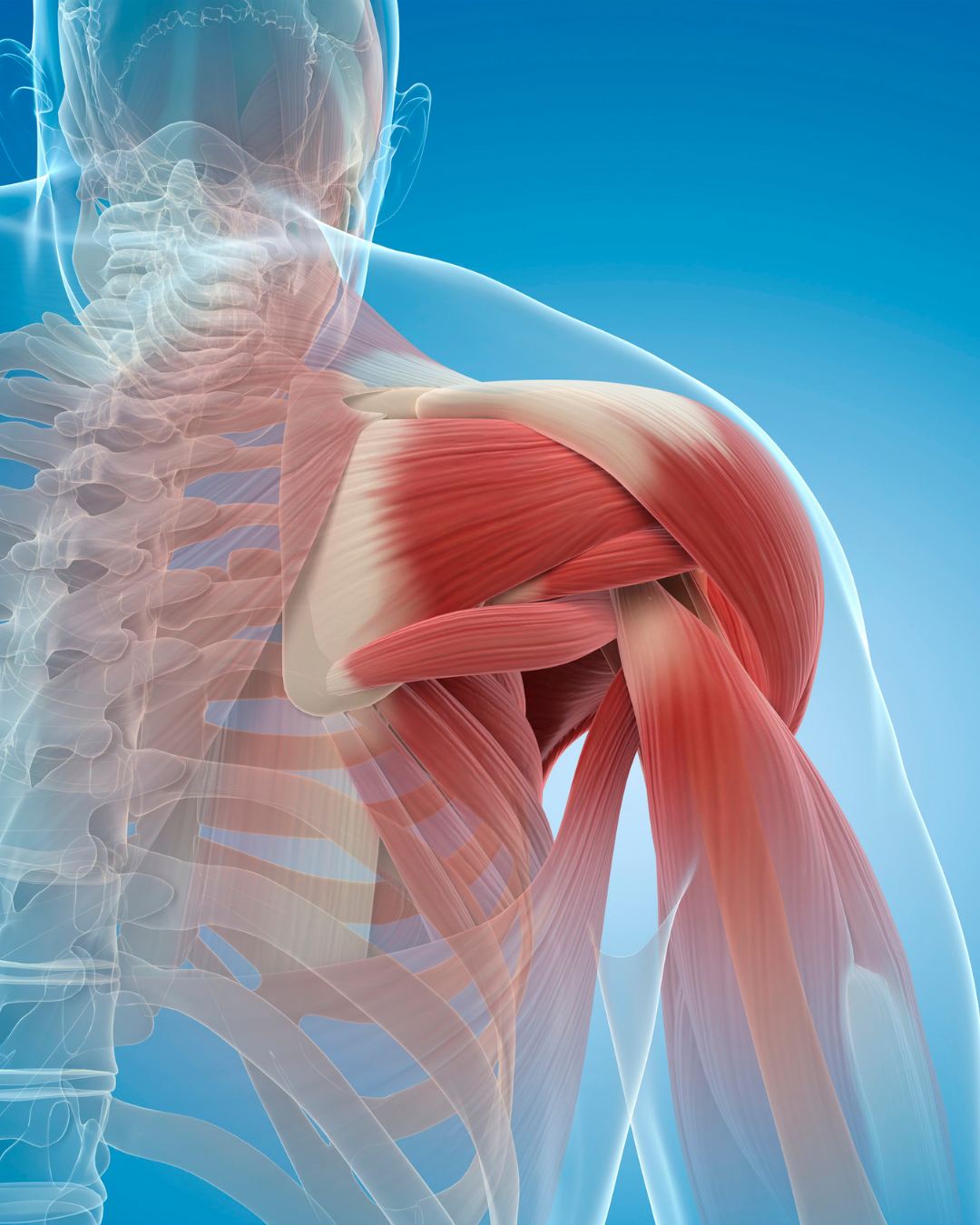
Normal soreness feels like the day after a 5-mile run. You’re stiff and slow to get moving, but once you start the car and get some blood flowing, it feels better. Research shows it can take 48–72 hours to get back to baseline mobility and strength, but you should still be able to function the next day.
The Rule of Thumb: If your arm feels like a 130-pound weight for three days and the thought of throwing even 60 feet makes you cringe, I’m waving multiple RED FLAGS.
Seek out an expert baseball physical therapist. Get help before you’re looking at a surgical schedule.
Warning Sign #2: Pain vs. Soreness (Know the Difference)
I know what you’re thinking: "Nate, I know if it hurts, something is wrong."
You’d be surprised. I’ve worked with countless athletes who had to shut down for eight weeks. When I ask how long it’s been hurting, they say: "Well, it hurt for three months, but once I stopped throwing for the day, the pain went away... until last week."
Pain is a signal. It’s your body’s smoke alarm. Just because the alarm stops when you stop throwing doesn't mean the fire is out. No injury starts as a full-blown tear; it starts as a "twinge."

How to tell them apart:
- Pain is Sharp: It feels like a hot needle or a knife in a specific spot. The more you move, the worse it gets.
- Soreness is Widespread: It’s not just your shoulder; your glutes, legs, and forearm feel "swollen" or worked. Usually, the more you move and warm up, the better you feel
If it’s sharp, get it looked at by someone who actually knows the mechanics of a windup.
Warning Sign #3: Loss of Velocity or Control
This is tell-tale sign. Often, a drop in velo is the first sign that the shoulder is on the verge of a breakdown.

During my time with the Minnesota Twins, I saw this often. A pitcher would start losing 2–3 mph and just feel "off." Nothing hurt yet, but they couldn't find their usual gas. Usually, a few outings later, they’d feel the "pop."
Why do we lose velo?
Your body is incredibly smart. It will always find the path of least resistance to avoid pain. If you have a labral tear or impingement, your brain will subconsciously "map" your delivery away from positions that hurt.
This works for an inning or two, but it’s devastating long-term. You start "leaking" energy, stressing other body parts (like your elbow or obliques), and becoming an inefficient pitcher.
If your command is gone and the radar gun is dropping, it’s time to "look under the hood."
Don't Wait Until You're Sidelined
Is your son dealing with shoulder pain? Don't wait for it to "go away." Early intervention means a faster return to the mound and zero time under the knife.
At Integrated Performance, we provide elite baseball physical therapy for athletes who are serious about their careers. We help pitchers in Westfield, Carmel, Fishers, and Zionsville find relief and build a bulletproof arm.
Ready to protect your season? Call us today at 812-686-9550 or Schedule an Evaluation to build your custom durability plan!
Want to Make Sure You Do Not Miss a Post?
Enter your information for FREE newsletters, content, and special offers from Integrated Performance
We will not SPAM (unsub at any time)
