
Why Your Elbow Pain Keeps Coming Back (Hint: It’s Not Your Arm)

Baseball season is finally here! (Even if there’s still snow on the ground as I write this... facepalm).
We’ve been waiting for this forever. We’ve been cooped up inside, and we need to be on the diamond. Maybe you missed the end of last year with elbow pain, but you did your standard rehab, got "cleared," and you’re ready for a full, healthy season.
Then, one week into practice, you feel it—that familiar "twinge" in the same spot in your elbow. You try to shake it off. By week two, the intensity is up and the pain lingers. By the next day, you can barely throw.
WHAT GIVES?! You did the band work. You stretched. Your PT said your arm was strong. Why is the pain back?
The answer isn't in your arm. It’s in your hips.
The "Whip" Effect
We see this all the time at Integrated Performance. Your shoulder and arm can look "perfect" on paper, but if your hips can’t move, your arm has to take up the slack.
Think of your body as a whip. You generate massive force from the legs, transfer it through the trunk, and the arm is just the end of the whip. If the handle of the whip (your legs/hips) is broken or stiff, you have to "muscle" the throw with your arm to find that velocity.
Here are the two big mechanical flaws caused by poor hip mobility that are likely killing your elbow.
1. The Lead Leg Block Fail
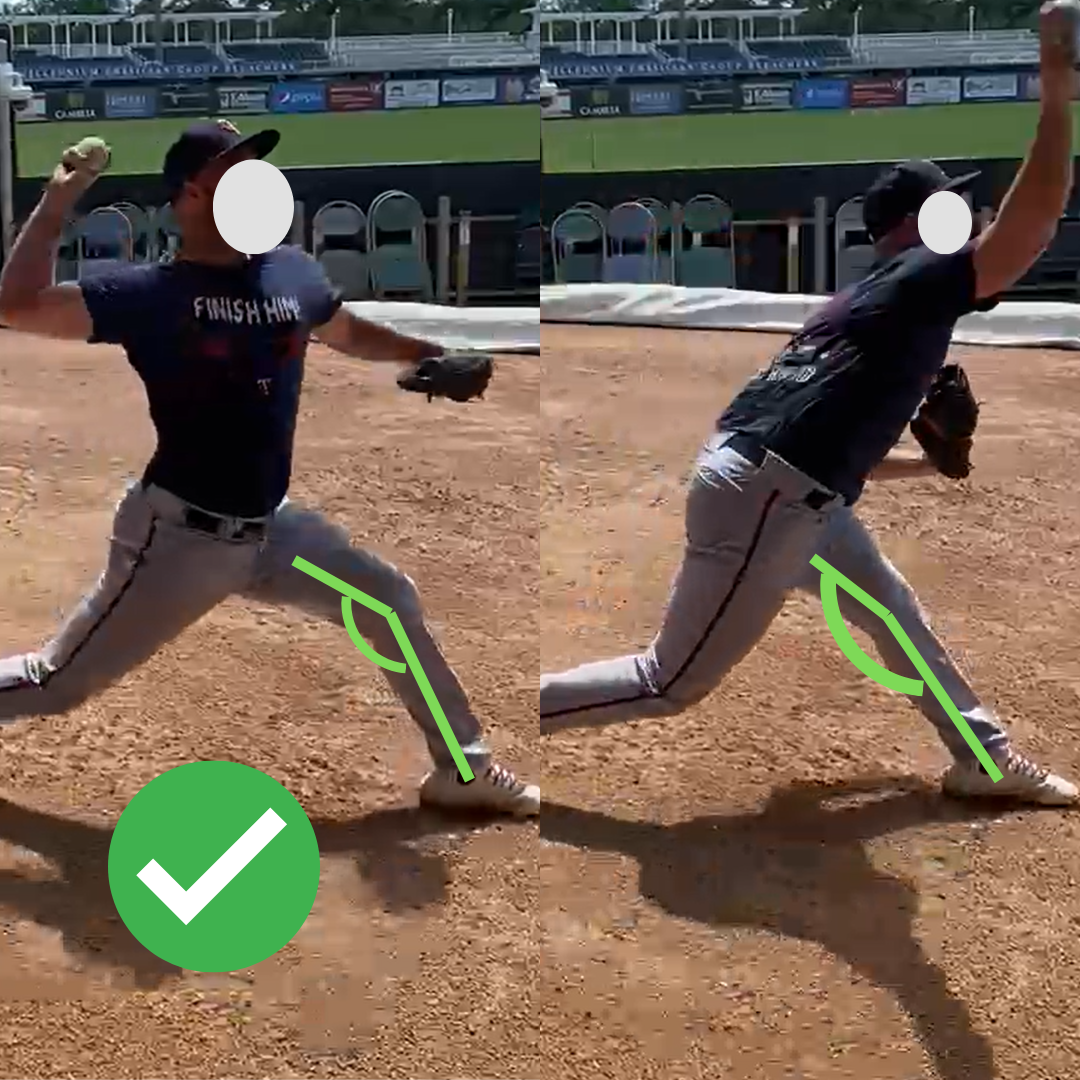
The Lead Leg Block is your ability to stop your knee from traveling toward home plate once your front foot plants. In elite pitchers, the moment that foot hits, the knee stabilizes—it doesn't "leak" forward or bend further.
This converts your forward momentum into rotational power (the whip).
The Hip Connection:
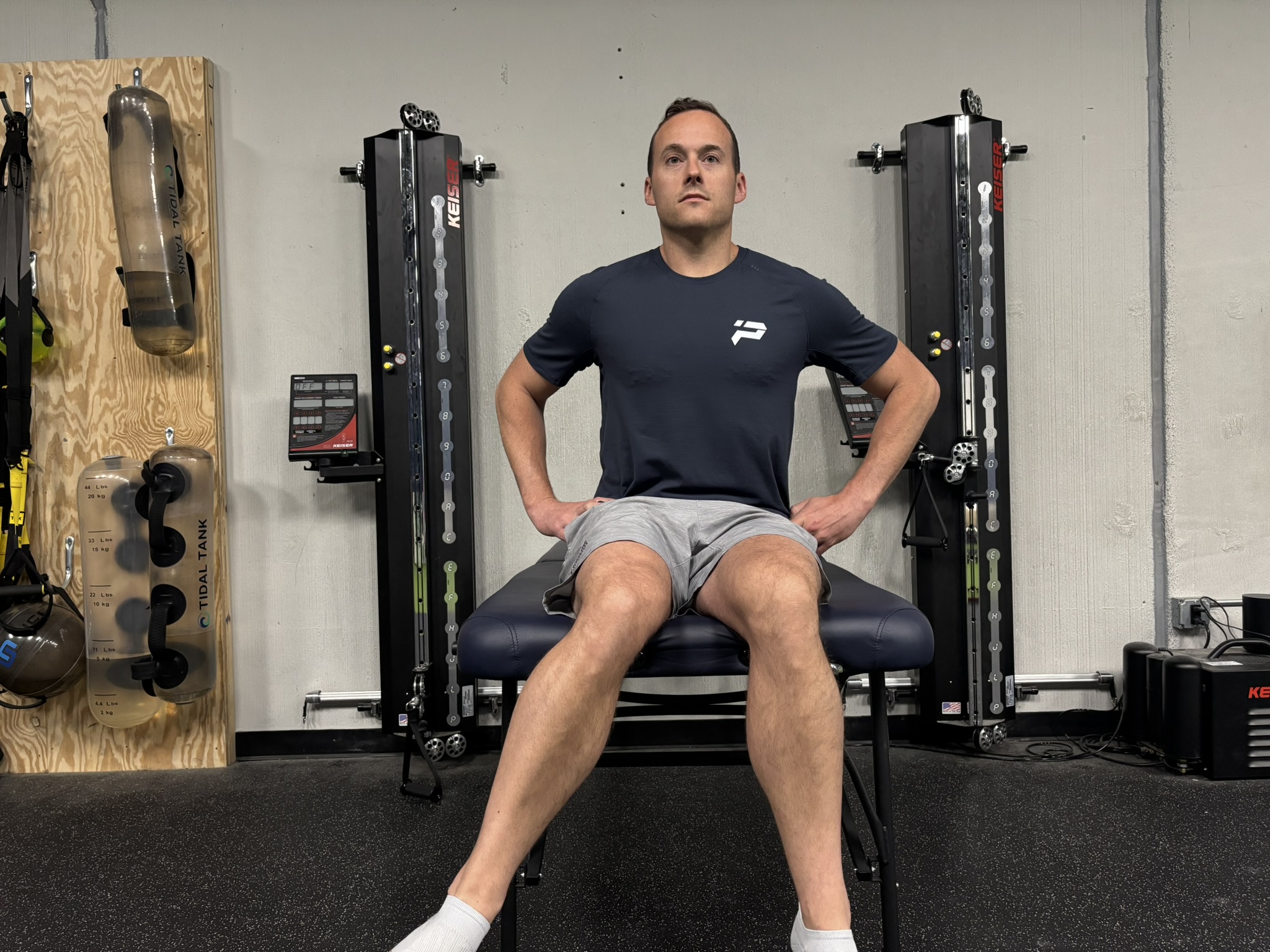
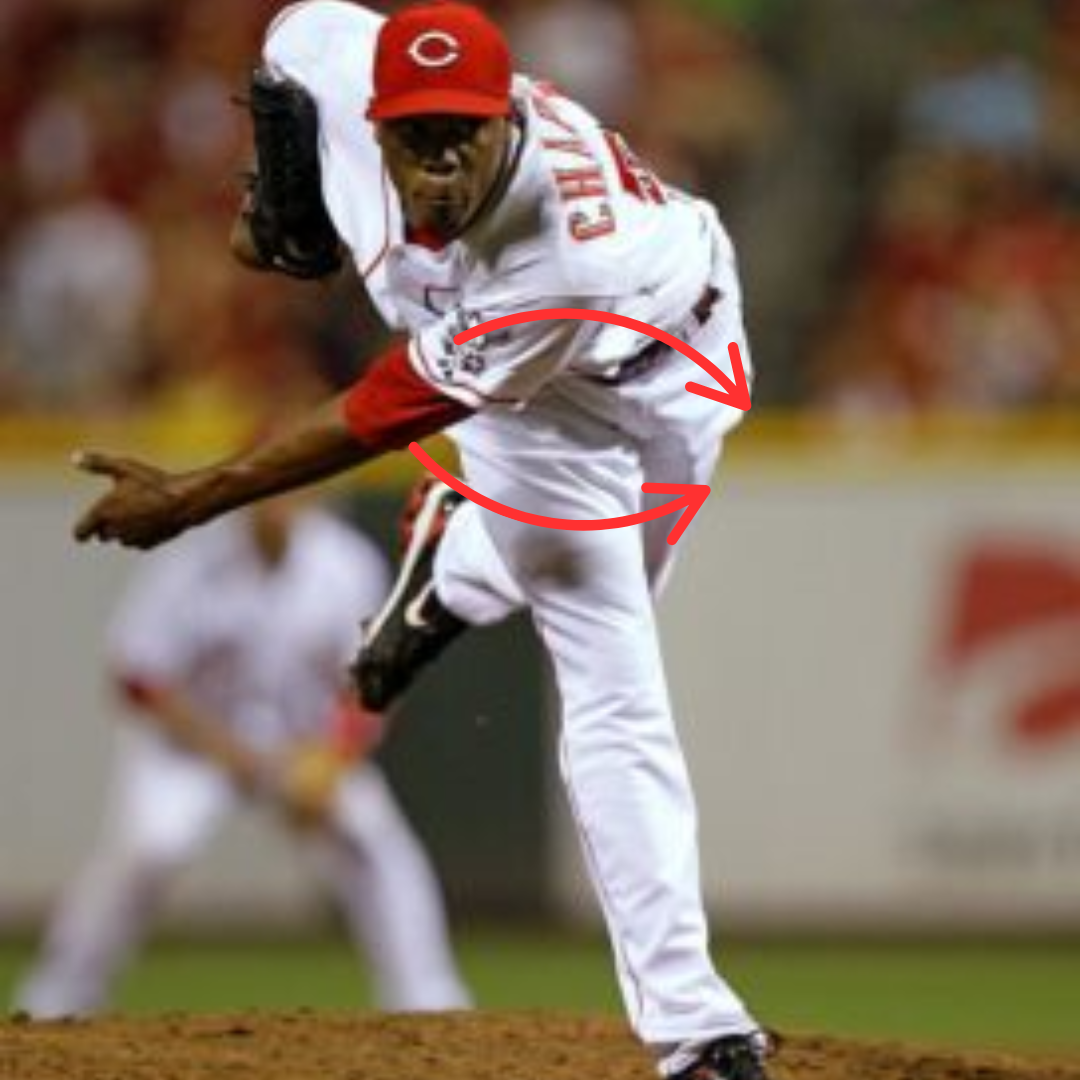
The biggest reason for a bad lead leg block is a lack of Lead Leg Hip Internal Rotation. This is the ability of your pelvis to rotate around your leg bone while your foot is planted.
When you can't rotate through that hip:
- Instability: Your lower half becomes "shaky," sending that jarring force straight up the chain to your elbow.
- No Brakes: Your hips are your biggest muscles. They are meant to stop the force of your delivery. If they can’t rotate to slow you down, your smaller muscles in your elbow have to act as the brakes. (Spoiler: They aren't strong enough for that).
2. The Short Stride
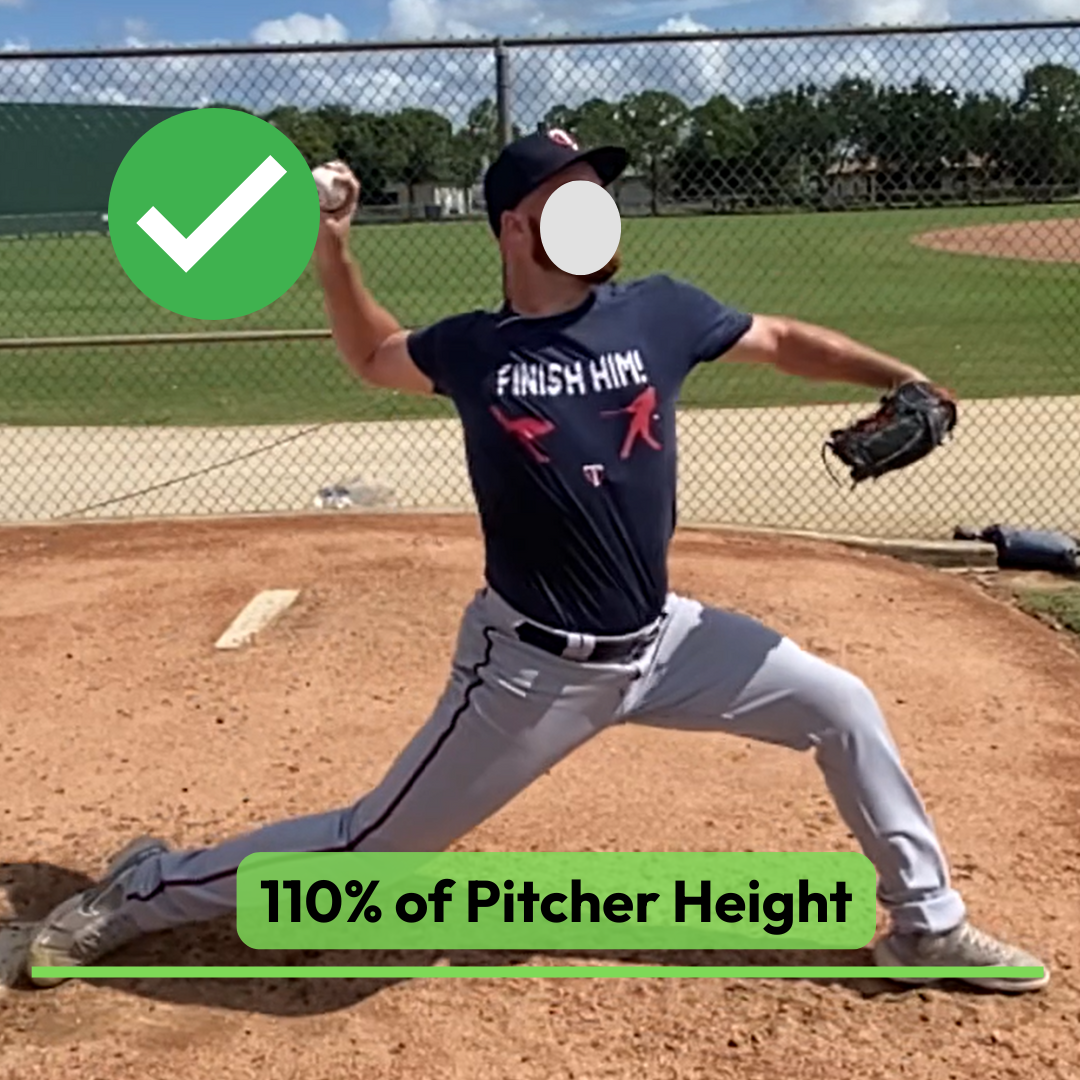
Your stride length is the distance from the rubber to your front foot at plant. Most MLB pitchers stride about 85% of their height. Fun fact: striding just one foot closer to home adds about 3.5 mph of perceived velocity to a hitter.
The Posterior Chain Connection:
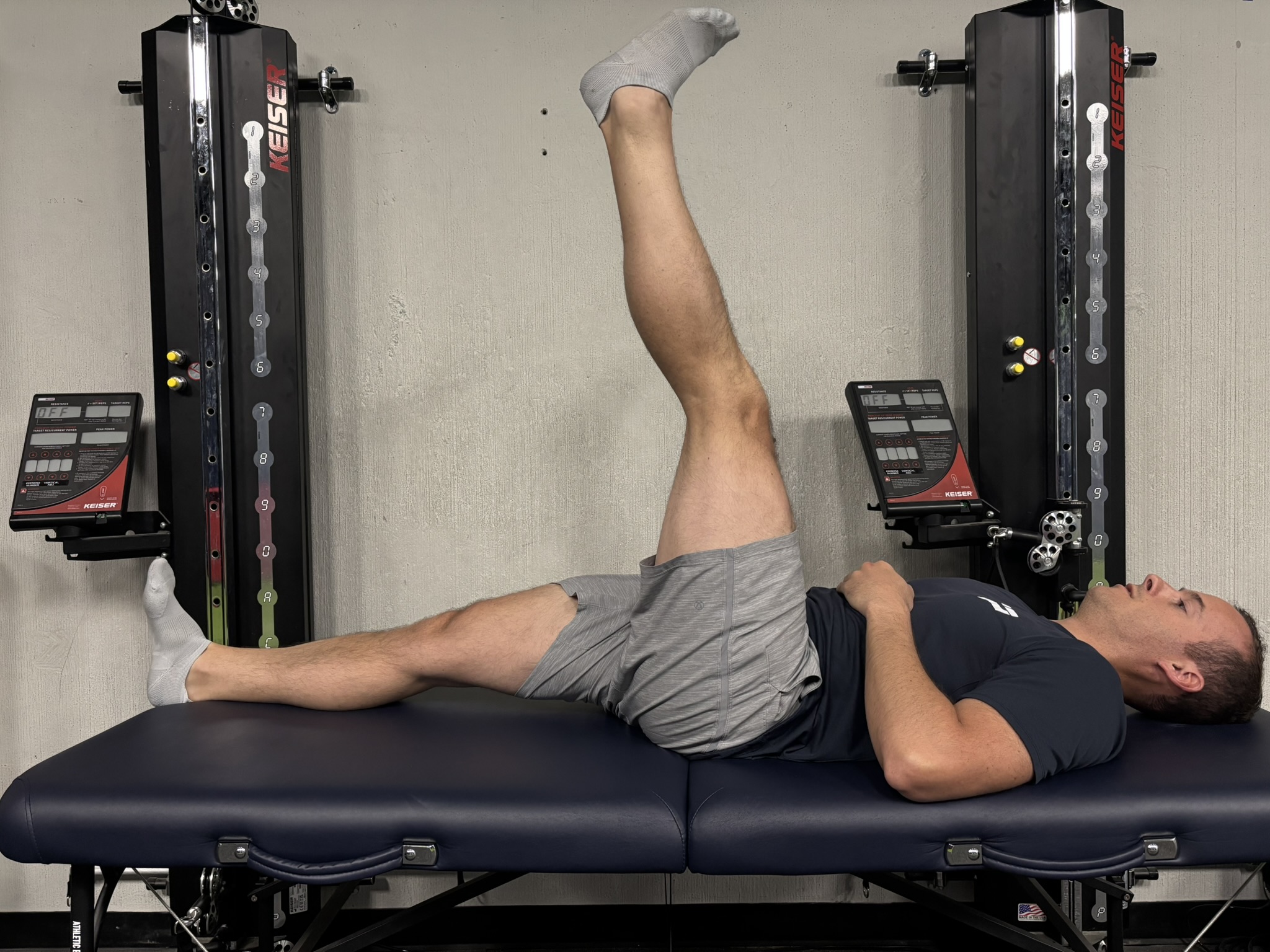
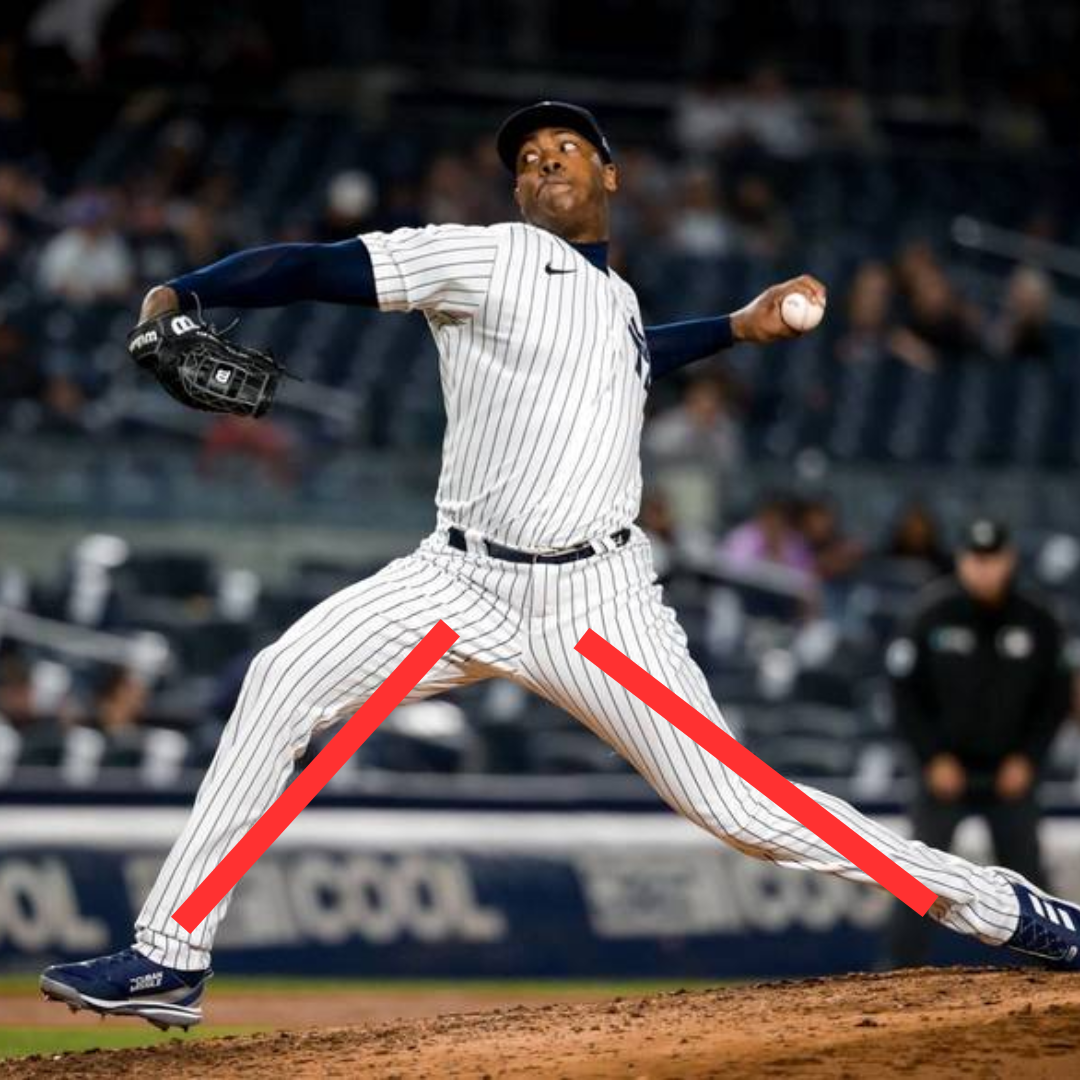
If you have a short stride, your arm timing gets trashed. Your arm usually can't get into the "cocked" position fast enough before your foot hits the ground. Now, your arm has to "rush" to catch up, putting massive stress on the medial elbow.
The Test: Lay on your back and lift one leg as high as you can without moving the other. If you can't get that leg at least 70–80 degrees up, your hamstrings and glutes are too tight to allow for an explosive, long stride on the mound.
Stop Chasing the Symptoms
Typical rehab often misses the "why" behind the injury. If your PT only looks at your elbow, they are just treating the smoke while the fire is still burning in your hips.
Make sure you work with a Baseball PT who understands the kinetic chain. We don't just want you "cleared"—we want you bulletproof.
Baseball Physical Therapy in Central Indiana
Don't wait until a "twinge" becomes a tear. At Integrated Performance, we help pitchers in Westfield, Carmel, Fishers, and Zionsville find the root cause of their pain and get back to 100%.
Ready to fix your mechanics and save your arm? Call us today at 812-686-9550 or Schedule an Evaluation to build your custom durability plan!
Want to Make Sure You Do Not Miss a Post?
Enter your information for FREE newsletters, content, and special offers from Integrated Performance
We will not SPAM (unsub at any time)
